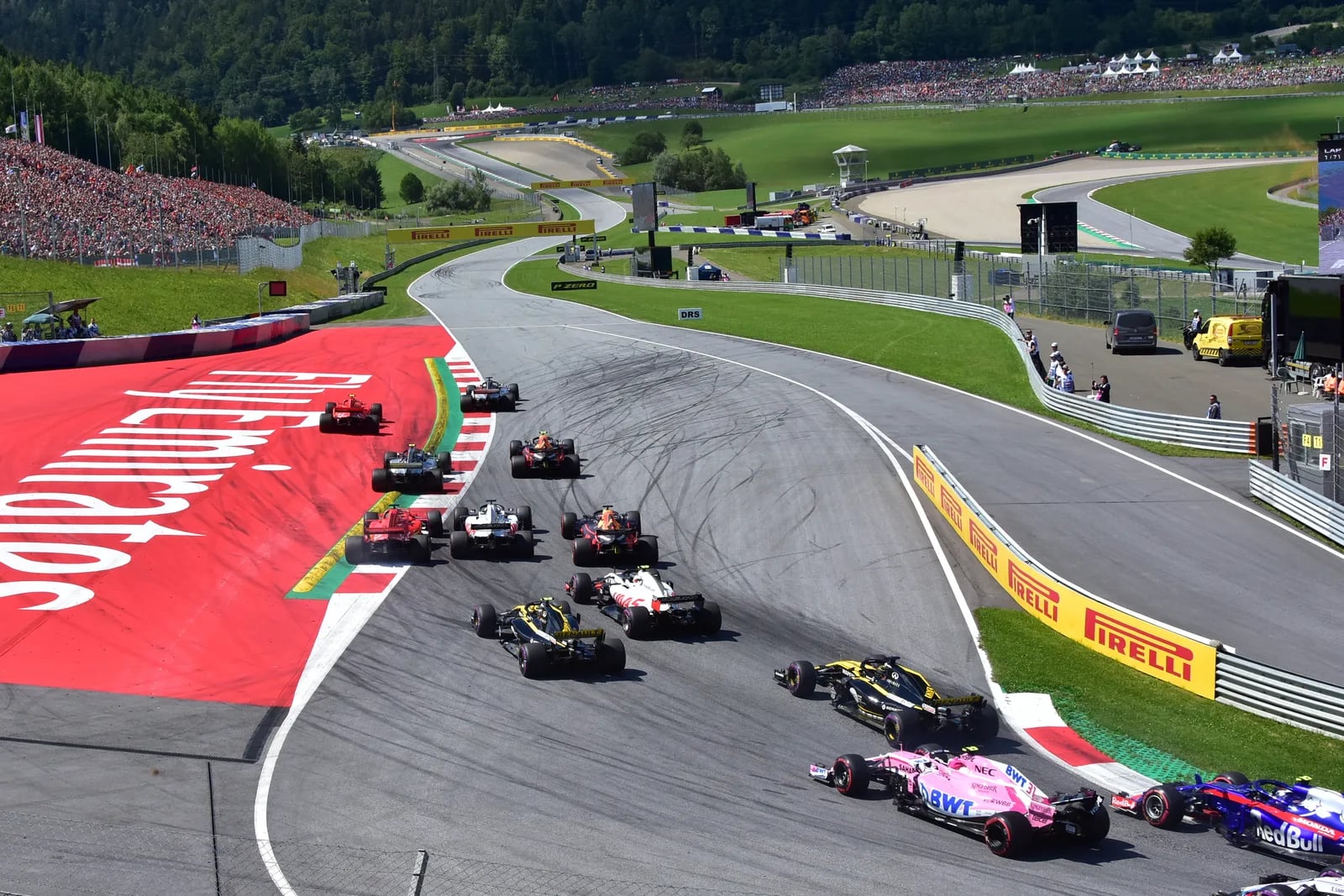
Formula 1 chief executive Stefano Domenicali has set the end of 2026 as the deadline for finalising the next cycle of power unit regulations, saying the sport is close to having a complete package ready for discussion.
Speaking as the FIA, Formula One Management, teams and manufacturers continue talks over the future engine rules, Domenicali said the priority was simplicity: "I think that the main target of the future regulation is to keep things as simple as possible."
The Italian, who has led F1's commercial arm since 2021, outlined a vision of lighter cars running on sustainable fuel with electrification retained, and drivers able to push harder than the current generation allows. He said he was confident the framework would be finalised before the year is out, telling reporters there were a lot of good discussions taking place and that everyone was pushing for different reasons, but that F1 would be in a position to present the right package for the future.
The timetable comes against a turbulent backdrop. The 2026 power units, built around a 50-50 power output split between the internal combustion engine and electricity, drew heavy criticism within weeks of hitting the track, forcing the FIA and FOM into what observers described as crisis management. A quick adjustment already agreed for 2027 and 2028 shifts that balance to 60-40 in favour of the internal combustion engine.
FIA president Mohammed Ben Sulayem has gone further, declaring that V8 engines running on sustainable fuels will be the next power units for Formula 1 whether manufacturers like it or not. The only open question, he said, is timing: if stakeholders reach an agreement the V8s could arrive before the end of the current Concorde Agreement in 2030, otherwise the FIA can impose them.
Manufacturers are not unanimous on the path forward. Audi has expressed hope of keeping the turbo, while the FIA has left the door open to some minor electrification. Domenicali's end-of-year target gives all sides a fixed horizon to reconcile those positions, with the final concept still to be defined.
Sources