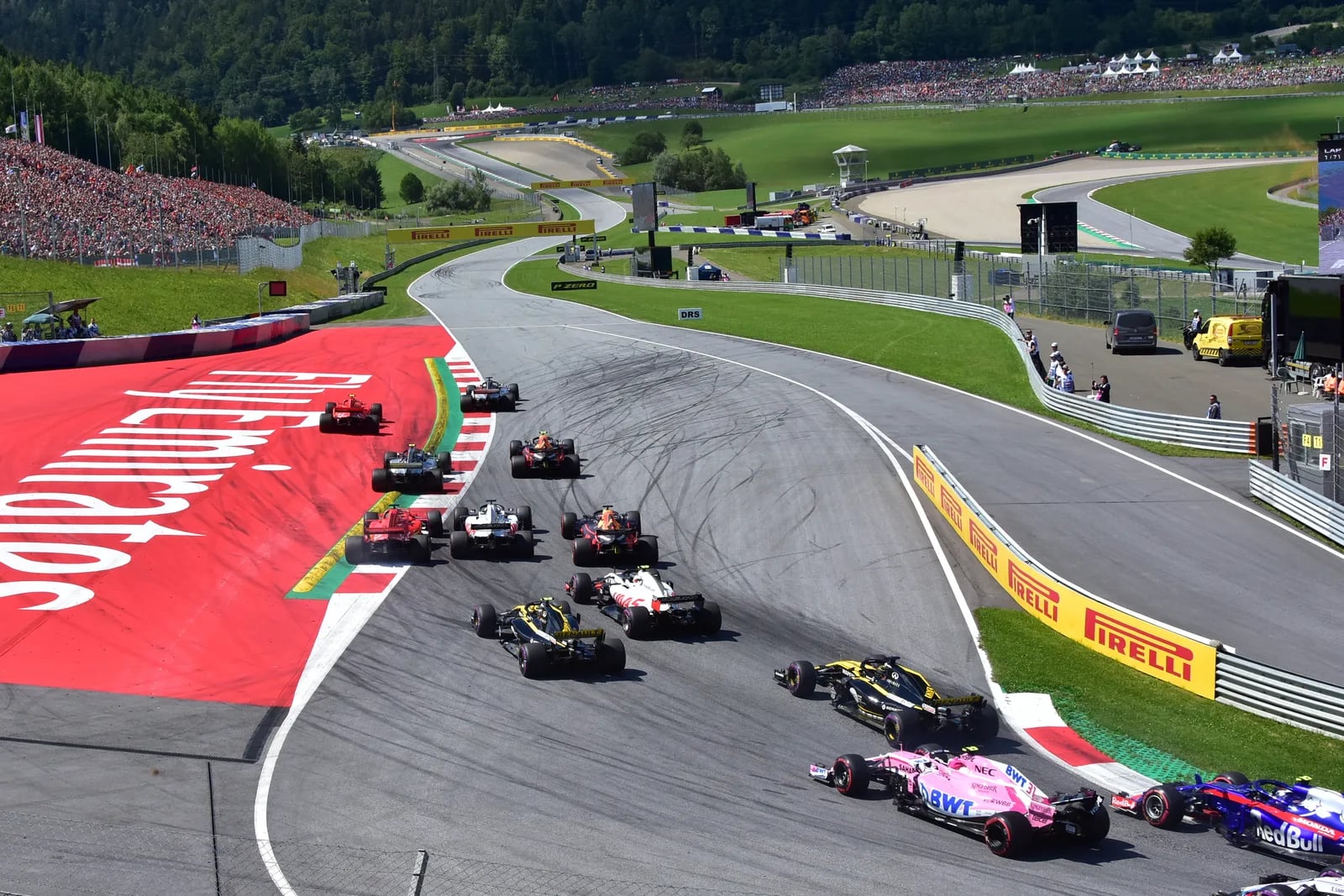
The Formula 1 Commission has endorsed a 15km reduction in the standard maximum race distance for grands prix, cutting the limit from 305km to 290km beginning with the 2027 season. The decision, announced on Sunday by the FIA, is a direct response to the revised power unit regulations that will increase fuel consumption next year.
Under the 2027 power unit rules, the internal combustion engine's share of total output rises from 53 percent to 58 percent, with the electrical component dropping correspondingly from 47 to 42 percent. ICE output climbs to 420kW while the MGU-K is capped at 300kW during normal running — 350kW in overtake mode. The shift is designed to reduce the energy-management concerns that dominated the first year of the current regulations, but it comes at a cost: the cars will burn more fuel over a given distance.
That created an immediate practical problem. Several teams elected to carry their 2026 chassis into 2027 in order to save costs. Because the fuel cell is embedded within the chassis and its size cannot be altered without a redesign, those teams risked being unable to complete grands prix at the existing 305km distance with their current tanks. Rather than forcing a chassis redesign — which would have undermined the cost-saving rationale — the Commission chose to shorten the race instead.